• course Info
  • Content
  • Ce Approvals
  • Policies

Evaluating for Dyslexia in the Schools: Guidance for Screening, Intervention, and Evaluation

CE Hours 1.5

About this course

In February 2025, the New York Association of School Psychologists (NYASP) released its comprehensive guidance document on screening, evaluating, and supporting students with dyslexia. Presented by several members of the original writing team, this webinar provides a comprehensive exploration of the Science of Reading (SoR) and its application within a Multi-Tiered System of Supports (MTSS) framework. Participants will examine evidence-based best practices for identifying dyslexia and implementing tiered interventions that address specific literacy deficits.


The session further clarifies the legal mandates and professional standards guiding school-based practice while directly addressing common barriers and misconceptions that complicate dyslexia evaluations in educational settings. This self-paced course is designed to equip school psychologists with the tools necessary to bridge the gap between research-based literacy foundations and practical, compliant school psychology practice.

Learning Objectives

  • Identify at least three evidence-based best practices for supporting students with dyslexia in the general education classroom.
  • Distinguish between common misconceptions and research-based facts regarding the evaluation of dyslexia in a school setting.
  • Outline the specific legal and professional responsibilities of the school psychologist within the dyslexia evaluation and intervention process.

Learning Levels

  • All Levels

Target Audience

This educational activity is intended for behavioral health professionals, including School Psychologists, Licensed Psychologists, Social Workers, Counselors, and MFT's. In addition educational professionals such as teachers, administrators, and school based therapists may benefit from the information presented in this session.

Course Instructor(s)

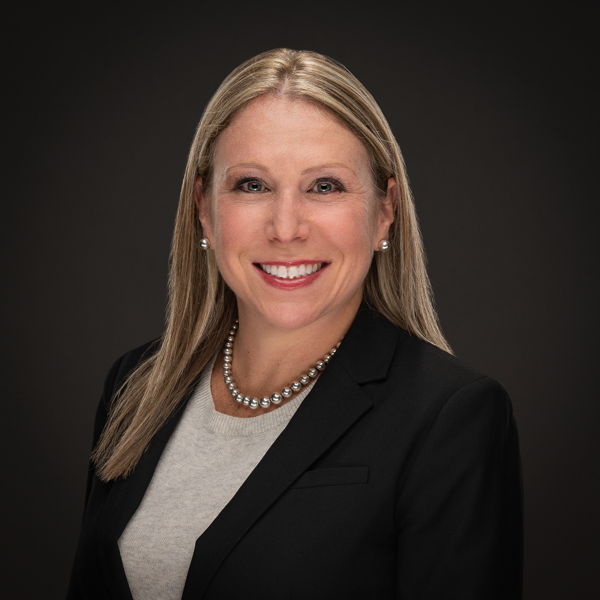
  • Kelly Caci, MA

    Kelly Caci, MA, is a school psychologist in the Newburgh Enlarged City School District in a K-5 elementary school. She has worked for 28 years in the field at the elementary and middle school levels. Ms. Caci is the NYASP Legislative Chair, and has served on the NYASP board since 1998, previously in the capacity of NYASP president and newsletter editor. Ms.Caci has implemented a comprehensive PBIS program, peer mediation program, as well as other preventive social-emotional programs in her current work at the elementary level. She has presented and written on numerous topics, including trauma, dyslexia, diagnosis, and retention. She was also the workgroup leader on NYASP's guidance documents on Evaluating for Dyslexia in the Schools and School Re-Entry and Recovery in Response to the COVID-19 Health Crisis. She also serves on the NYSUT Collective Care Team. Ms. Caci can be reached at kelly.caci@nyasp.org.

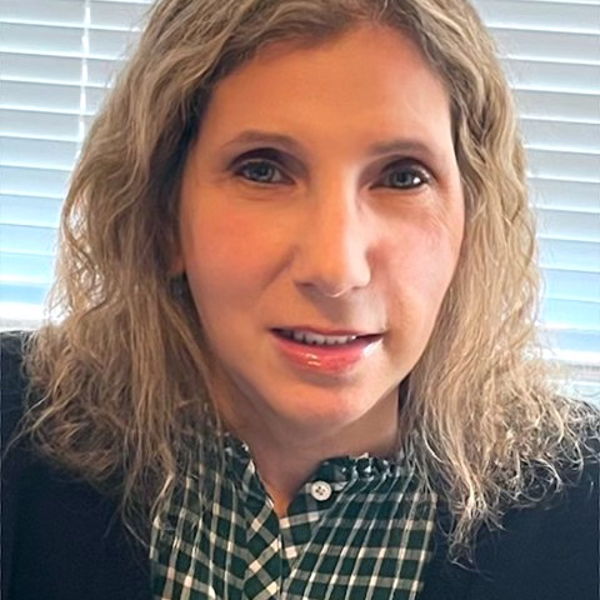
  • Emma Leah Hettrich, Psy.D., ABSNP

    Dr. Emma Leah Hettrich is a New York State licensed Psychologist and certified School Psychologist. She works in an elementary school on Long Island and is on the executive board for the New York Association of School Psychologists (NYASP). Her main areas of interest include assessment and intervention for students with Dyslexia as well as Autism Spectrum Disorders. In addition to her work as a school psychologist, Dr. Hettrich served as an adjunct professor at St. John’s University for ten years, where she supervised graduate students completing psychoeducational evaluations for learning disabilities and behavioral disorders at the St. John's Center for Psychological Services. Dr. Hettrich has presented on various topics related to assessment, intervention, and consultation at local, state, national, and international conferences.

  • Michelle Storie, PhD

    Michelle S. Storie, Ph.D., is a New York State licensed psychologist and permanently certified school psychologist. She is an Associate Professor in the Counseling and Psychological Services Department at the State University of New York at Oswego and is Coordinator of the School Psychology Program. Dr. Storie has also served as Director and Coordinator of the Syracuse University Psychoeducational Teaching Laboratory since 2000. She has eighteen years of experience as a school psychologist, and has worked in urban, suburban, and rural school districts. Dr. Storie is Conference Chairperson of The Reading League and is one of its founding board members. She is a member of the National Joint Committee on Learning Disabilities and is on the Professional Advisory Board of the Learning Disabilities Association of America. Dr. Storie also serves as Secretary for the Trainers of School Psychology New York chapter. Dr. Storie runs a part-time private practice, where she specializes in assessment of dyslexia, anxiety, and ADHD in children, adolescents, and college students. Dr. Storie also conducts professional development for school districts on dyslexia and the Science of Reading. She earned her Ph.D. in School Psychology from Syracuse University in 2001 and has continued to adjunct at Syracuse University since that time. Dr. Storie’s research interests include dyslexia screenings, evidence-based practices for assessment and intervention of reading deficits, educator knowledge of effective reading practices, and impact of professional development aligned with Science of Reading on student outcomes. She is co-author of "Assessing Dyslexia in Schools: Empowering Practitioners through Reading Science".

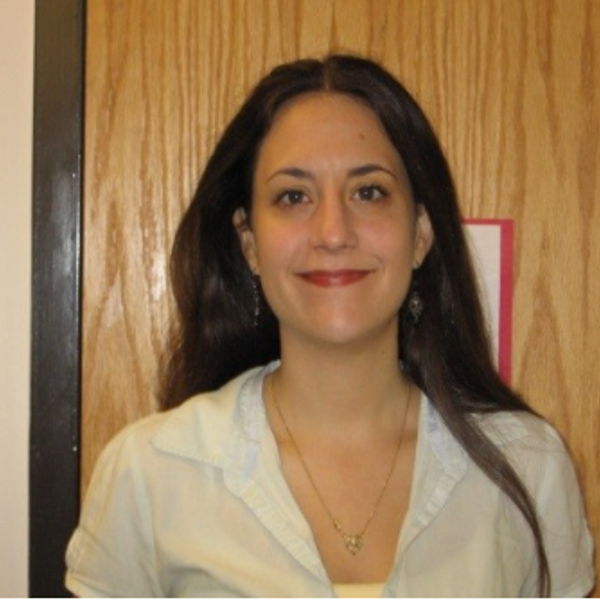
  • Lynne Thies, Ph.D., NCSP

    Lynne Thies, Ph.D., NCSP is a visiting assistant professor and the coordinator of field experiences for the school psychology graduate program at Fordham University. Thies is a New York State certified school psychologist, New York State licensed psychologist, and Nationally Certified School Psychologist with more than 30 years of direct service experience in the Long Island, NY public schools.

    During her time in Long Island, Thies also worked as an adjunct professor in several of the region’s graduate programs in school psychology, teaching courses in the areas of school consultation, psychoeducational and neuropsychological assessment, and professional practice issues.

    She has been active on the boards and committees of both the New York Association of School Psychologists (NYASP) (as a former president) and the National Association of School Psychologists (NASP) (as the former New York State delegate). Currently, Thies serves on the NASP graduate educators’ workgroup subcommittee on innovations in practica and Internship, plus on the equity and social justice subcommittee. She is also a member of the board of directors for the Children’s Fund of School Psychology, Inc., a nationwide charitable organization that provides grants to practicing school psychologists so that they may purchase materials to provide mental health care for school-aged children.

Disclosure

DISCLOSURE OF RELEVANT FINANCIAL RELATIONSHIPS CE Learning Systems adheres to the ACCME’s Standards for Integrity and Independence in Accredited Continuing Medical Education. Any individuals in a position to control the content of a CE activity ― including faculty, planners, reviewers, or others ― are required to disclose all relevant financial relationships with ineligible entities (formerly known as commercial interests). The following relevant financial relationships have been disclosed by this activity’s planners, faculty, and the reviewer: PLANNERS AND REVIEWER The planners of this activity have reported that they have no relevant financial relationships. FACULTY The faculty of this activity have reported that they have no relevant financial relationships.

References

  • Duke, N. K., & Cartwright, K. B. (2021). The science of reading progresses: Communicating advances beyond the simple view of reading. Reading Research Quarterly, 56, S25-S44.
  • Miciak, J., & Fletcher, J. M. (2020). The critical role of instructional response for identifying dyslexia and other learning disabilities. Journal of learning disabilities, 53(5), 343-353.
  • Duke, N. K., & Cartwright, K. B. (2021). The science of reading progresses: Communicating advances beyond the simple view of reading. Reading Research Quarterly, 56, S25-S44.
  • Burns, M. K., Duke, N. K., & Cartwright, K. B. (2023). Evaluating components of the active view of reading as intervention targets: Implications for social justice. School Psychology, 38(1), 30.
  • National Center on Intensive Intervention. (2021). Academic Intervention Tools Chart. https://charts.intensiveintervention.org/aintervention
  • Kilpatrick, D. A. (2015). Essentials of assessing, preventing, and overcoming reading difficulties. John Wiley & Sons.
  • Ehri, L. C. (2014) Orthographic Mapping in the Acquisition of Sight Word Reading, Spelling Memory, and Vocabulary Learning, Scientific Studies of Reading, 18:1, 5-21.
  • Amplify Education, Inc. (2024). Systems of Success: Getting started with a Multi-tiered System of Supports (MTSS) Aligned to the Science of Reading e-book. https://amplify.com/
  • Branching Minds. (2024). MTSS Guide. https://www.branchingminds.com/mtss-guide
  • Brown, Tiffany W. (2022). How does MTSS connect with the science of reading? Branching Minds website. https://www.branchingminds.com/blog/how-does-mtss-connect-with-the-science-of-reading
  • Burns, M. K., & VanDerHeyden, A. M. (2017). Four dyslexia screening myths that do more harm than good in preventing reading failure and what you can do instead. NASP Communique, 45(7), 26
  • Eunice Kennedy Shriver National Institute of Child Health and Human Development, NIH, DHHS. (2000). Report of the National Reading Panel: Teaching Children to Read: Reports of the Subgroups (00-4754). Washington, DC: U.S. Government Printing Office.
  • Gough, P. B., & Tunmer, W. E. (1986). Decoding, reading, and reading disability. Remedial and Special Education, 7(1), 6-10. https://doi.org/10.1177/074193258600700104
  • International Dyslexia Association. (2002). Definition of Dyslexia. https://dyslexiaida.org/definition-of-dyslexia/
  • Kovaleski, J. F., & Pedersen, J. (2008). Best practices in data analysis teaming. In A. Thomas & J. Grimes (Eds.), Best practices in school psychology V (pp. 115–130). Bethesda, MD: National Association of School Psychologists.
  • Learning A-Z. (2025). Scarborough’s Reading Rope. https://www.foundationsa-z.com/program-guide/research-rationale/overview
  • National Assessment Educational Progress (NAEP). (2022). A nation’s report card. National Center for Education Statistics, Office of Educational Research and Improvement, U.S. Dept. of Education. https://www.nationsreportcard.gov/highlights/ltt/2022/
  • Norton, E. S., Black, J. M., Stanley, L. M., Tanaka, H., Gabrieli, J. D., Sawyer, C., & Hoeft, F. (2014). Functional neuroanatomical evidence for the double-deficit hypothesis of developmental dyslexia. Neuropsychologia, 61, 235–246. https://doi.org/10.1016/j.neuropsychologia.2014.06.015
  • NY State Education Department (2024). Part 200 of the Regulations of the Commissioner. https://www.nysed.gov/special-education/part-200-regulations-commissioner
  • NY State Education Department (2013). Required Components of a Response to Intervention (RtI) Program Pursuant to Section 100.2 (ii). https://www.p12.nysed.gov/docs/ais-rti-components.pdf
  • NY State Education Department. Students with Disabilities Resulting from Dyslexia, Dysgraphia, and Dyscalculia. https://www.nysed.gov/special-education/students-disabilities-resulting-dyslexia-dysgraphia-and-dyscalculia#:~:text=DYSGRAPHIA%20A%20condition%20impacting%20writing,limited%20to)%20legibility%20and%20automaticity
  • The Reading League, Inc. (2021). Science of reading: Defining guide. https://www.thereadingleague.org/what-is-the-science-of-reading/defining-guide-ebook/
  • The Reading League, Inc. (2023). Curriculum Evaluation Guidelines: K-5 English Language Arts (ELA) https://www.thereadingleague.org/wp-content/uploads/2023/03/The-Reading-League-Curriculum-Evaluation-Guidelines-2023.pdf
  • Scarborough, H. S. (2001). Connecting early language and literacy to later reading (dis)abilities: Evidence, theory, and practice. In S. Neuman & D. Dickinson (Eds.), Handbook for research in early literacy (pp. 97–110). New York, NY: Guilford Press.
  • U.S. Department of Education Office of Special Education and Rehabilitative Services (2015). Dear Colleague letter October 23, 2015 retrieved from https://sites.ed.gov/idea/files/policy_speced_guid_idea_memosdcltrs_guidance-on-dyslexia-10-2015.pdf
  • U.S. Department of Education (2018). Individuals with Disabilities Act. https://sites.ed.gov/idea/regs/b/a/300.8/c/10
  • Wolf, M. & Bowers, P. G. (1999). The double-deficit hypothesis for the developmental dyslexias. Journal of Educational Psychology, 91(3), 415-438.
CE Process Info

Content

  • Materials
    4 parts
    • Evaluating For Dyslexia Webinar Slides
    • Evaluating for Dyslexia in the Schools Guidance Document
    • Psychological Report Template
    • Clinical Diagnostic Impressions Template
  • Recordings
    2 parts
    • Evaluating for Dyslexia in the Schools Course Recording
    • Evaluating for Dyslexia in the Schools Audio Recording
  • Joint Accreditation

    Joint Accreditation (JA)

    In support of improving patient care, CE Learning Systems is jointly accredited by the Accreditation Council for Continuing Medical Education (ACCME), the Accreditation Council for Pharmacy Education (ACPE), and the American Nurses Credentialing Center (ANCC), to provide continuing education for the healthcare team.

  • American Psychological Association (APA)

    Continuing Education (CE) credits for psychologists are provided through the co-sponsorship of the American Psychological Association (APA) Office of Continuing Education in Psychology (CEP). The APA CEP office maintains responsibility for the content of the programs.

  • National Association of School Psychologists (NASP)

    NYASP is approved by NASP (National Association of School Psychologists) to offer continuing education for school psychologists. NYASP maintains responsibility for the program. NASP Approved Provider # 1021

  • New York Association of School Psychologists (NYASP)

    Any sessions that are not NASP CPD sessions are available for New York Association of School Psychologists (NYASP) continuing education hours.

  • New York Education Department's State Board for Social Work (NYEDSW)

    CE Learning Systems, LLC  (d/b/a impactce.com) is recognized by the New York State Education Department's State Board for Social Work as an approved provider of continuing education for licensed social workers. #0060.

  • New York Education Department Board of Creative Arts Therapy (NYSEDCAT)

    CE Learning Systems, LLC  (d/b/a impactce.com) is recognized by the New York State Education Department's State Board of Creative Arts Therapy as an approved provider of continuing education for licensed creative arts therapists. #CAT-0008

  • New York Education Department for Licensed Mental Health Counselors (NYSEDLMHC)

    CE Learning Systems, LLC  (d/b/a impactce.com) is recognized by the New York State Education Department's State Board for Mental Health Practitioners as an approved provider of continuing education for licensed mental health counselors. #MHC-0072.

  • New York Education Department Board for Licensed Psychoanalysts (NYSEDLP)

    CE Learning Systems, LLC  (d/b/a impactce.com) is recognized by the New York State Education Department's State Board for Psychoanalysts as an approved provider of continuing education for licensed psychoanalysts. #P-0031.

  • New York State Education Department's State Board for Psychology (NYEDPSY)

    CE Learning Systems, LLC  (d/b/a impactce.com) is recognized by the New York State Education Department's State Board for Psychology as an approved provider of continuing education for licensed psychologists. #PSY-0016.

  • New York Education Department's State Board for Marriage and Family Therapy (NYEDMFT)

    CE Learning Systems, LLC  (d/b/a impactce.com) is recognized by the New York State Education Department's State Board for Marriage and Family Therapy as an approved provider of continuing education for licensed marriage and family therapists. #MFT-0045.

FAQs

  • CELS Grievance
    If a grievance arises pertaining to continuing education activities or processes, please contact Tyler Gibson via confidential email to tyler@celearningsystems.com as soon as possible, so that the nature of the concern may be addressed in a timely fashion.
  • ADA Accommodations (Self-Paced)
    ADA accommodations will be made in accordance with the law; please indicate your special needs upon registering by sending an email to support@ce-go.com or by calling us at 888 498 5578.
  • Course Completion
    To complete the course, review the course objectives, then watch the video power point presentations following along with the corresponding pdf, and lastly complete an evaluation. Your certificate will be available to download immediately when you complete the evaluation.
  • Where can I find my Attendee Dashboard link?
    Upon registering, you should receive an email from support@ce-go.com with a link to access your Attendee Dashboard. If you do not see it in your inbox, please check your spam/junk folder. If you still cannot locate the email, you may retrieve your Attendee Dashboard link by clicking HERE
  • Non-discrimination Policy
    Kimberly M. Daniels, L.L.C., and CE-GO.com do not discriminate against any individual or group concerning any service, program, or activity provided based on gender, race, creed, national origin, sexual orientation, gender identity or gender expression, ability, economic status, religion, age, organizational membership, or any other basis prohibited by law.
Evaluating for Dyslexia in the Schools: Guidance for Screening, Intervention, and Evaluation
You Have Completed This course
$30
You are enrolled
  • CE Hours
    1.5
  • Type
    Self-Paced
  • Publication Date
    Jul 22nd, 2026

Reset password


Reset your password by providing your email below


Next

We sent a reset password link to the email address you provided.


{{reset.email}}


If you do not see the email, try checking your junk or spam folder.


If you don't receive a link in the email you provided, please click the button below to resend the verification email.

Resend

Please wait {{timer}} seconds to resend


Next

Sign in


Enter your email to get started.


Next

Sign in


Good news! Your email is associated with an account. Enter your password or click here to reset it


Login

Thanks for signing up!


We sent an verification email to the address you provided. Please check your email to verify your email address.


{{signup.email}}


If you do not see the email, try checking your junk or spam folder.


If you don't receive a link in the email you provided, please click the button below to resend the verification email.


Resend

Please wait {{timer}} seconds to resend

Sign up


Sign up

Shopping Cart


Items
Price
Remove
  • {{ item.name }} ({{ item.courses.length }} courses)

    {{ item.credit_hours }} Credits
    {{ item.coupons.map((c)=> c.code).join(', ') }} Membership discount (-${{ item.membership_discount.amount }})
    ${{ item.totals.price }}
    ${{ item.totals.total_price }}
Apply


Cart is empty

Thank you for your purchase


To access the course content, click the button below. Enrolled courses may be accessed at any time by going to your Account and clicking Courses


Go to Course

Thank you for your purchase

To access your courses, please click the button below. Enrolled courses may be accessed at any time by going to your Account and clicking either Events or Courses


My Account

Payment

{{$store.state.payment.paymentErrorMessage }}
Pay now